Why Keys Belong in an HSM: Crypto APIs Explained
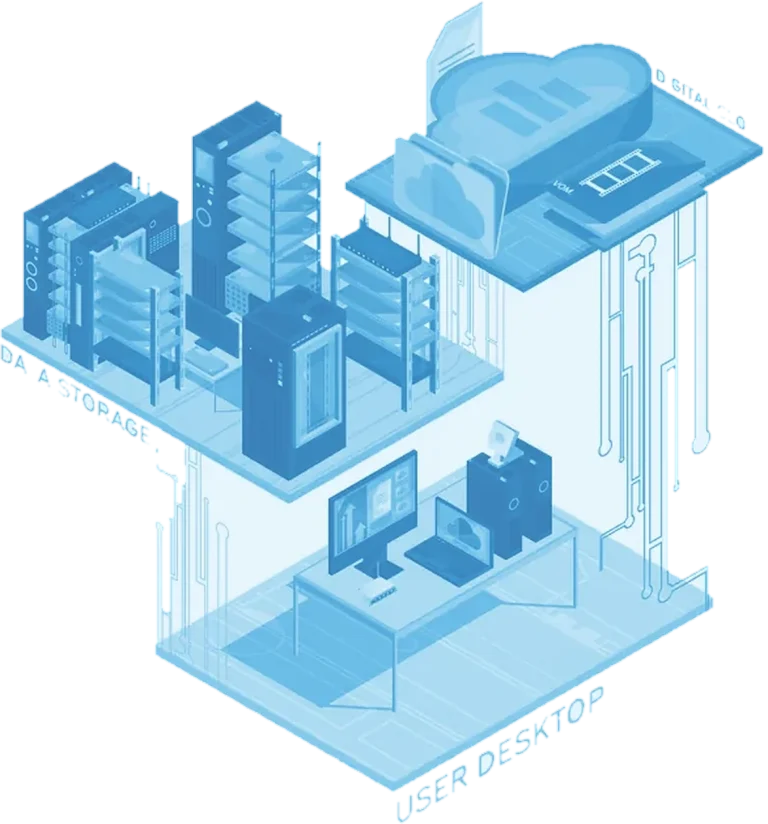
Why private keys belong in a hardware security module, how applications reach HSMs through PKCS#11, JCE and REST crypto APIs, and how to design a central crypto service.

Why private keys belong in a hardware security module, how applications reach HSMs through PKCS#11, JCE and REST crypto APIs, and how to design a central crypto service.

Certificate lifecycle management (CLM) finds, tracks, renews and retires every certificate you use. Learn the five lifecycle stages, why CLM matters more in 2026 and how to start.

An RFC 3161 timestamp binds a document's hash to a trusted time, signed by a Time Stamping Authority. Learn how tokens are issued and verified, where they are used and what eIDAS says about them.

Public CAs secure what outsiders must trust; private CAs secure what you control. Compare trust, rules, lifetimes, cost and risk, and see which certificates to issue yourself.

A practical eight-step plan to make your PKI post-quantum ready: inventory, risk ranking, crypto agility, hybrid testing and a staged move to NIST's ML-KEM and ML-DSA.
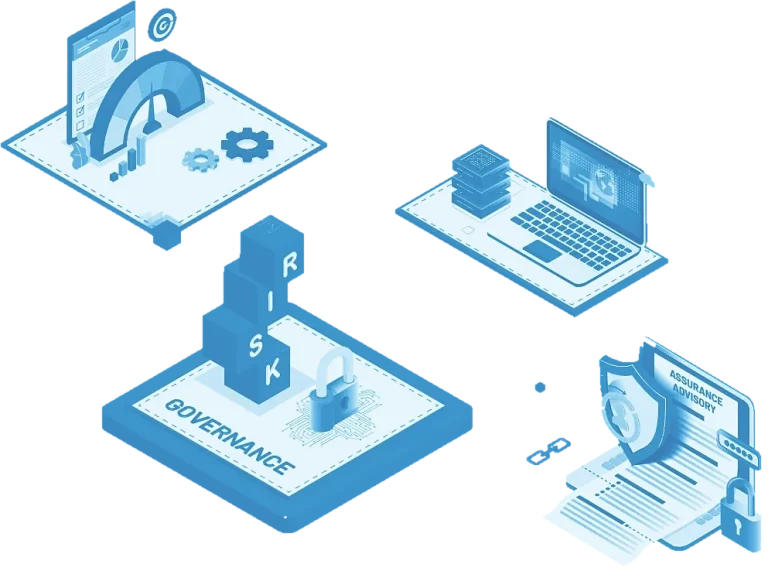
A 10-point PKI health check covering inventory, expiry, ownership, cryptography, keys, CA hierarchy, revocation, automation, policy and incident readiness, with a scoring table.

Electronic and digital signatures are not the same thing. Learn what each proves, how eIDAS, ESIGN and UETA treat them, and which level your documents need.
A CP/CPS passes audit when it is specific, current and matched to real operations. See the RFC 3647 structure, 10 common gaps auditors find and a pre-audit checklist.

A step-by-step checklist for becoming a Qualified Trust Service Provider under eIDAS 2.0, from gap analysis and ETSI standards to the conformity assessment, notification and staying qualified.

ACME, SCEP and EST all automate certificate enrollment and renewal. Learn how each works, where each fits, and how to manage all three from one place.